become a foster family
Already a foster parent?
From feeding guides to behavior tips, we have resources to support you every step of the way.
Visit Foster ResourcesOur Foster Program is made possible through the generosity of our community. At any given time, especially during kitten season, hundreds of volunteers are providing critical support to animals who need extra care before they are ready for adoption. If you feel inspired to support this work beyond fostering, a gift of any size helps us provide medical care, supplies, and resources for animals in foster homes.
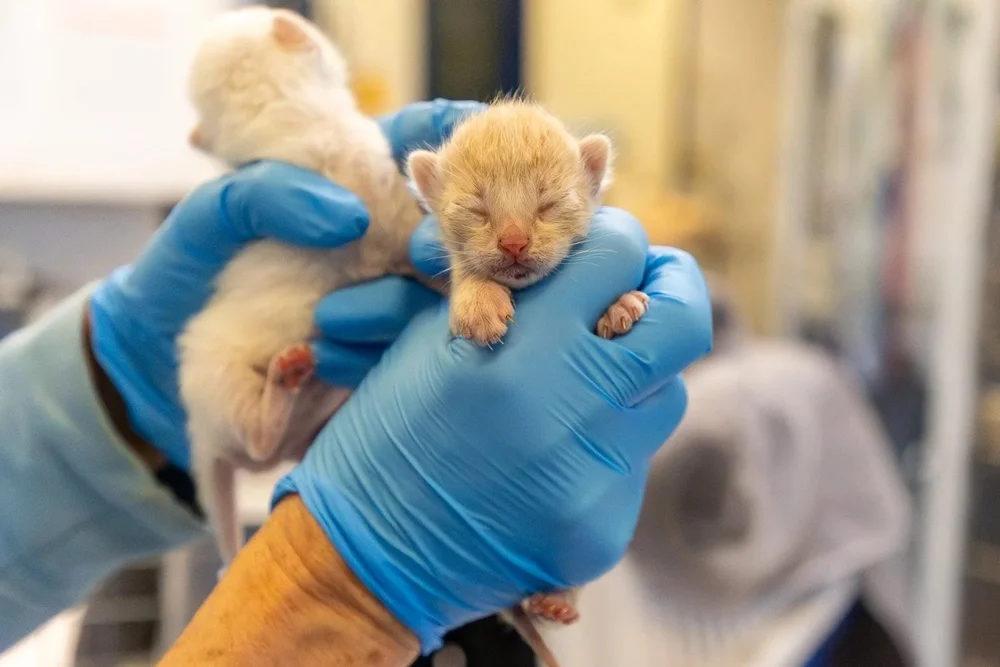
Donate NowIt’s kitten season, and we need you!
Each spring, tiny kittens arrive at our shelters who are too young or too fragile for adoption. They need a warm, quiet place to grow, and a caring person to look after them. That could be you. We provide training, supplies and support.
big dog and puppy fosters needed
Want to foster big dogs and puppies, but haven’t fostered with Pets in Need before? Sign up below! If you’ve already fostered with Pets in Need, and are available to take someone home, email the Foster Department to let them know you’re ready!
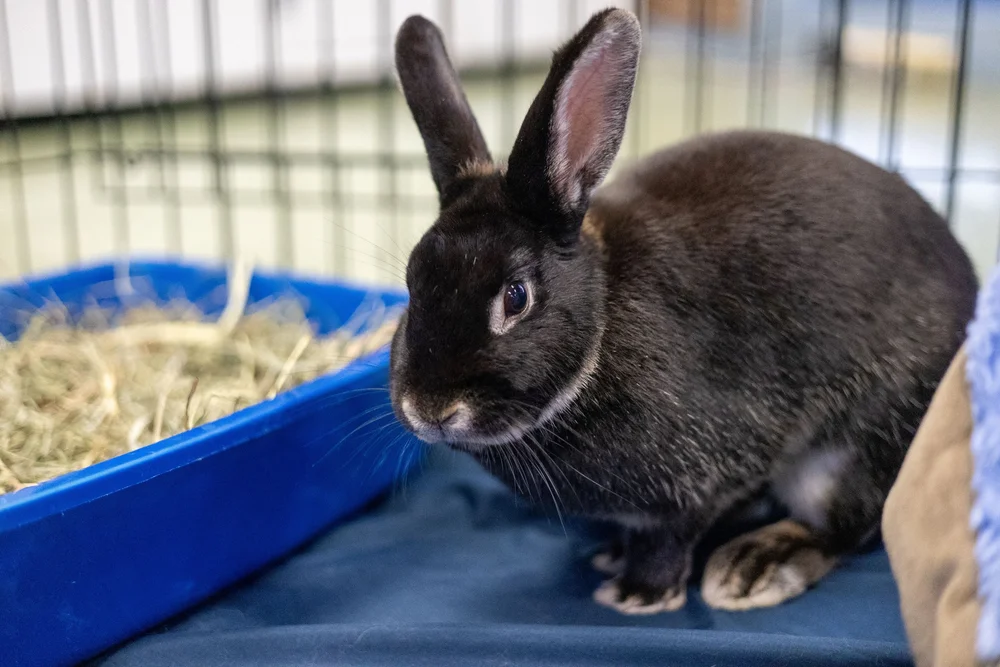
Bunnies Need Homes, too!
Fostering bunnies is a great way to care for an animal without the same level of experience needed for fostering bigger pets like cats and dogs. This makes them the perfect pet for busy folks, apartment dwellers, and first-time pet owners including kids!
Interested in fostering rabbits? Complete the form below!
Foster Program FAQs
Fostering means giving an animal a temporary home while they await adoption or complete medical or behavioral care. A foster home offers a safe, stable environment that allows pets to decompress, recover, and express their true personalities in ways that are often not possible in a shelter setting.
When fostering an animal you are not only taking care of them but also finding out valuable information about their health and behavior.
Because shelter space is limited, the number of animals an organization can rescue and care for is directly tied to the availability of foster homes. Each foster placement creates room for another animal in need.
Beyond increasing lifesaving capacity, fostering profoundly improves an individual animal's quality of life. Time spent in a home environment supports emotional wellbeing, strengthens physical recovery, and helps prepare pets for long term success in their adoptive homes.
Animals may need foster care for many reasons, including:
- They are too young to be adopted.
- They are recovering from illness or surgery.
- They need a break from the shelter environment.
- They are pregnant or nursing.
- They need help building confidence or learning basic manners.
Fostering animals allows us to help more animals overall! It increases our shelter's capacity and animals who have spent time in foster are statistically likely to be adopted more quickly.
Pets In Need provides:
- All food and supplies necessary for caring for your foster animal
- All PIN-approved medical care and medications
- Training or behavior support if needed
- Ongoing guidance from staff
You are never expected to handle medical or behavioral concerns on your own.
The responsibilities of a foster parent include:
- Provide a safe and clean environment.
- Follow the feeding and medication schedule provided.
- Observe and report behavioral or health changes immediately.
- Maintain regular communication with the Foster Team.
- Assist with adoption promotion through updates and photos.
- Return the foster animal promptly when requested.
You are not required to purchase anything to provide care for your foster animal. Pets In Need provides all necessary items. If you do purchase extra items for fostering, it is tax-deductible.
Pets In Need will not be able to reimburse you if you seek medical care that was not previously approved by PIN or if your foster animal does damage to property.
The foster process follows these steps: prepare your home, meet and pick up the foster animal at the shelter, transport your foster to medical appointments as needed, bring them back to the shelter for surgery if applicable, and then the foster animal goes up for adoption.
Foster placements are coordinated by our team based on each animal's needs and the resources available at the time. We will reach out by email about the animals in need of foster care, so please keep an eye on your inbox.
Some animals benefit most from remaining onsite, particularly if they are doing well in the shelter environment and are likely to be adopted quickly. In those cases, keeping them visible to adopters allows them to find homes sooner. Our goal is to place animals where they are needed most while ensuring each animal has the best opportunity for a positive outcome.
If you see an animal on our website that you are interested in bringing into your home, we encourage you to look at our adoption process for next steps.
The length of a foster placement varies. Some animals stay for a few days or weeks, while others may need foster care for a few months. We work with foster parents to match animals to their availability whenever possible.
We understand that life happens and circumstances can change. Communication is key: please let the foster team know when you will need to return your foster animal as soon as you know, and they will work with you to arrange a day and time to bring your foster back to the shelter.
Please do not bring your foster animal back to the shelter without first confirming with the foster team.
Animals who are candidates for foster care are selected because they are adoption candidates or they are expected to become available for adoption. However, there are instances in which an animal's behavior or medical condition progresses to a point where humane considerations of the animal's quality of life and/or public safety must be made.
In all instances, PIN is thorough and transparent in its decision making and considerate of the foster parent's involvement.
Not at all! We welcome people with a wide range of experience levels. The foster team will help match you with an animal that fits your comfort level, home setup, and schedule.
Yes, many foster homes have resident pets. We will discuss introductions, safety guidelines, and help determine whether a foster animal is a good fit for your household.
In most cases you will have a chance to adopt your foster animal. Let the foster team know as soon as you are interested and you will receive a link to the adoption application. Once you fill out the adoption application, our customer service team will contact you for next steps. In order to put an official hold on an animal you will need to pay a fee, which will go toward the adoption payment once the adoption can be finalized.
In some cases the animal going to foster already has an adopter or owner. As soon as we know, the foster team will let you know that you will not be able to adopt your foster animal.
To begin fostering:
- Follow the sign up link on our website.
- Complete the orientation and foster agreement.
- Let us know your availability.
- Keep an eye on your email for what animals are in need of a foster home.
Questions? Reach us at foster@petsinneed.org